Your Definitive Guide to Appliance Repair: Explore the Critical Services You Need to Know About
The domain of appliance repair is often overlooked until a major breakdown happens. Timely interventions can eliminate the need for costly replacements and ensure appliances function properly. Recognizing when expert assistance is needed versus attempting DIY repairs is crucial. Moreover, regular maintenance can considerably increase the longevity of household appliances. Nevertheless, many homeowners remain unaware of the essential services that can have a significant impact. Examining these considerations can illuminate the path to ideal appliance care.
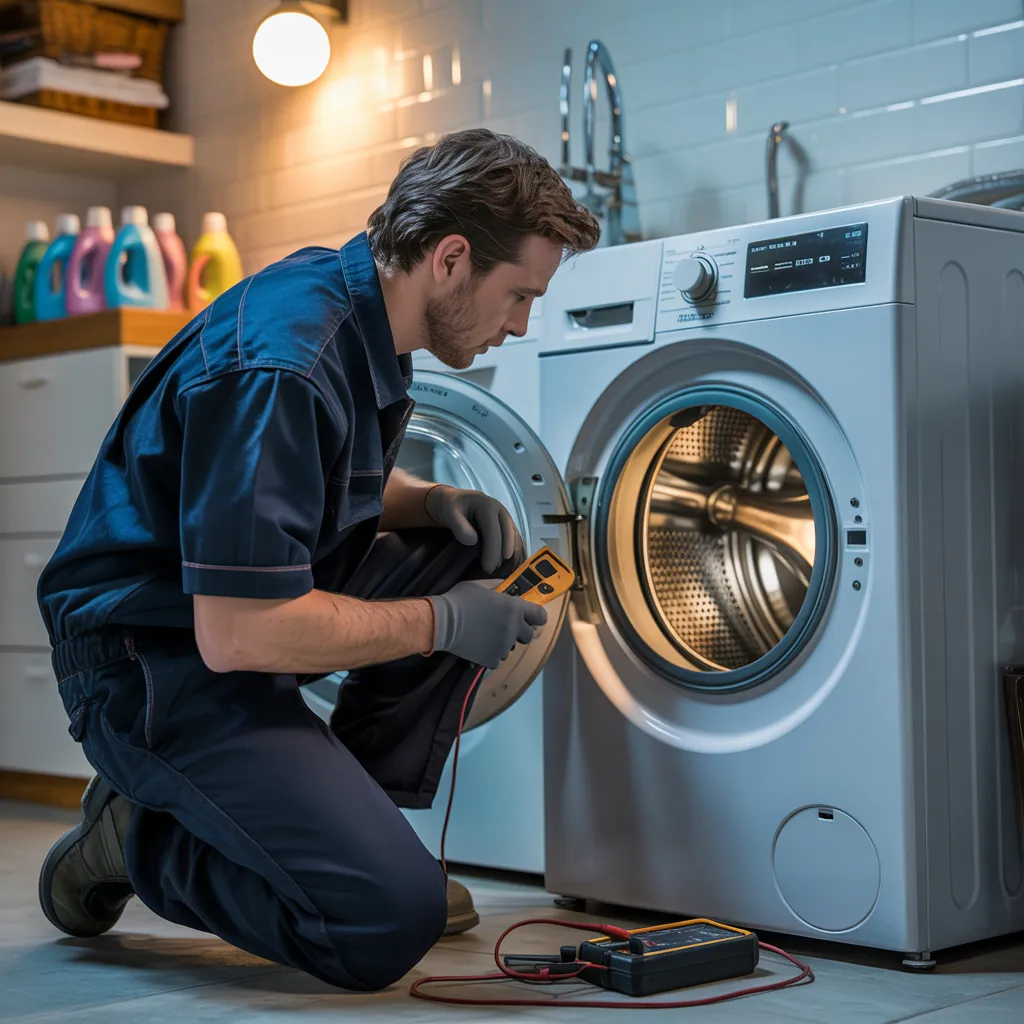
The Importance of Timely Appliance Repair
Prompt appliance repair is critical, as ignoring problems can result in more serious complications and expensive replacements. Homeowners often overlook minor appliance malfunctions, thinking they will correct themselves without intervention. However, small issues, such as strange noises or inconsistent performance, may indicate deeper underlying problems that require immediate attention. Addressing these concerns promptly can prolong the lifespan of appliances and enhance their efficiency.
Moreover, quick repairs can avert dangerous situations, such as gas leaks or electrical failures, which threaten the safety of the household. Scheduled maintenance and timely responses to minor issues can shield homeowners from unanticipated expenses and hassles. More often than not, taking preventive action on repairs proves cheaper than letting appliances fully fail. Accordingly, grasping the necessity of timely appliance repair not only ensures household functionality but also promotes a sense of security for residents.
Critical Appliance Problems to Address
Even though many homeowners might dismiss appliance concerns, some serious issues require prompt action to stop escalating deterioration. As an example, a defective refrigerator can cause food deterioration, posing health risks. If the appliance is not cooling properly, it is critical to determine the root problem, be it a damaged compressor or an obstructed ventilation pathway.
Likewise, a washing machine leaking water can result in significant floor damage and mold growth. Residents should address any leaks promptly to avoid such expensive fixes. Moreover, appliances powered by gas, such as dryers and stoves, demand prompt attention if they show strange smells or do not ignite properly. Such problems can point to dangerous gas leaks, creating serious safety risks.
Finally, a dishwasher that is unable to drain can lead to standing water, inviting pests and producing unpleasant odors. Understanding these significant appliance failures can spare homeowners time, money, and stress in the future.
Choosing Between DIY and Professional Repairs
When dealing with appliance issues, individuals must weigh the merits of self-repairs compared to expert assistance. This determination commonly relies on a person's technical ability and the duration required to accomplish the work, along with the related expenses. A careful analysis of these factors can lead to a more informed choice.
Determining Your Skill Level
How does one decide whether to approach an appliance repair independently or to seek the assistance of a professional? Making this determination relies on gauging one's expertise and comprehending the scope of the repair needed. People should begin by evaluating their experience with comparable tasks and the tools necessary for the repair. When the repair concerns straightforward elements, like replacing a filter or clearing a blocked drain, handling it independently may be practical. However, more intricate issues, such as electrical or mechanical failures, often require specialized knowledge and experience. Moreover, one should weigh their ease with identifying issues and the inherent risks that come with the repair. A candid self-appraisal can inform the decision to either handle the repair personally or obtain professional support for a satisfactory resolution.
Cost vs. Time Analysis
Determining whether to pursue a DIY repair or hire a professional often copyrights on a thorough cost versus time analysis. Homeowners must evaluate the cost of parts and tools for a DIY approach against the expense of professional services. Although DIY repairs might appear cost-effective, they can require considerable time and energy, especially when the individual has limited experience. On the other hand, professionals provide skill and efficiency but at a greater financial expense. Moreover, the chance of incurring further damage through a DIY endeavor may lead to greater overall expenditures. Ultimately, a careful assessment of personal skill level, available time, and budget constraints will guide the decision, enabling homeowners to reach a knowledgeable conclusion aligned with their particular needs.
Must-Have Tools for DIY Appliance Repair
A properly stocked toolbox is essential for anyone looking to tackle DIY appliance repairs successfully. Essential tools consist of a set of screwdrivers, including flathead and Phillips types, which are critical when accessing appliance interiors. Various types of pliers, especially needle-nose and adjustable models, assist with gripping and handling various components. A multimeter is invaluable for diagnosing electrical issues, allowing users to measure voltage, current, and resistance.
Additionally, a socket set gives the flexibility needed for a range of nut sizes and is especially beneficial for securing or removing bolts. A utility knife can aid in cutting wires or opening appliance casings, while a level makes certain that appliances are set up properly. As a final point, having extra components, such as fuses and gaskets, can reduce downtime during repairs. With dive in these critical tools, individuals can effectively handle appliance problems and develop their repair expertise successfully.
Identifying the Best Appliance Repair Solutions
When looking for appliance repair solutions, it is important to check the certifications and background of prospective service providers. Clients are advised to review rates and provided services to make certain they obtain reasonable value. Moreover, checking for warranties and guarantees can give confidence regarding the quality of the repairs.
Check Credentials And Experience
Verifying the qualifications and expertise of appliance maintenance specialists is essential for ensuring reliable results. Residents ought to look for professionals with relevant certifications and training, as these indicators reflect their skill and dedication to their craft. Confirming proper licensing and insurance is likewise necessary, as this protects both the technician and the homeowner in case of unforeseen mishaps or losses. Moreover, seasoned professionals with a strong track record are more likely to diagnose and resolve issues efficiently, reducing the likelihood of repeat visits. Customer reviews and testimonials can provide insight into a specialist's trustworthiness and professional standards. By thoroughly vetting potential service providers, property owners can choose wisely and increase the chances of satisfactory repairs.
Compare Pricing And Services
Upon validating the qualifications and expertise of prospective repair specialists, property owners can start to compare pricing and services offered by different appliance repair providers. It is important to gather multiple quotes to establish an accurate benchmark cost, as rates can differ significantly. Homeowners should evaluate what each service includes, such as diagnostic fees, labor costs, and parts pricing. Moreover, select services may include service packages or discounts for first-time customers. Grasping these considerations permits residents to make informed decisions, making certain they secure professional results without unnecessary expenses. It is advisable to check customer reviews and testimonials, as these insights can further guide the selection process, emphasizing the dependability and quality of different maintenance providers.
Examine Warranty And Guarantees
How can homeowners guarantee they receive the best value from appliance repair services? One essential step is to check the warranty and guarantees offered by repair companies. A reputable service provider should include warranties on both parts and labor, guaranteeing that any problems that emerge shortly after the repair are resolved at no extra cost. Homeowners are encouraged to ask about the length of these warranties, because lengthier warranty periods generally suggest stronger confidence in the service provided. Moreover, gaining a clear understanding of the guarantee details can assist homeowners in avoiding common pitfalls, such as hidden fees or restrictions. By selecting repair providers that fully support their work, homeowners can secure peace of mind and maximize the value of their appliance repair investment.
Preventive Maintenance for Durable Appliances
Consistent preventative care can greatly extend the service life of residential appliances. By implementing scheduled checks and minor fixes, property owners can detect problems before they worsen. To illustrate, cleaning refrigerator coils and checking door seals can enhance energy efficiency and prevent breakdowns.
Moreover, descaling dishwashers and maintaining washing machines by cleaning filters can reduce the risk of expensive damage. Regularly inspecting hoses and connections helps avert leaks and water damage.
In addition, changing worn-out pieces, such as worn components like belts and gaskets, can guarantee appliances operate smoothly. Homeowners should also follow the manufacturer's recommendations for recommended maintenance timelines.
Dedicating time to preventative maintenance not only prolongs appliance life but also improves performance and efficiency, resulting in reduced utility bill expenses. By making these practices a priority, homeowners can count on their appliances to perform reliably for many years, reducing the need for frequent repairs or replacements.
Frequently Asked Questions
How Can I Tell if My Appliance Is Still Under Warranty?
To check whether an appliance is still under warranty, you should check the purchase receipt for warranty details, consult the manufacturer's website, or reach out to customer service for confirmation using the appliance's model number and purchase date.
What Are the Most Common Indicators That an Appliance Needs Fixing?
Common signs an appliance needs repair include unusual noises, inconsistent performance, leaks, error codes, and frequent cycling. Moreover, elevated energy expenses or a failure to turn on can suggest underlying concerns that warrant professional evaluation.
What Safety Precautions Should You Take for DIY Repairs?
Protective guidelines for do-it-yourself repairs involve disconnecting appliances from power, using protective equipment, ensuring proper ventilation, and referring to instruction manuals. Additionally, one should avoid working with water and electric parts concurrently to avoid potential hazards and harm.
What Are the Best Ways to Lower Appliance Repair Expenses?
To minimize appliance repair expenditures, one should perform routine maintenance, troubleshoot minor issues independently, compare repair service prices, and explore warranty coverage. Remaining knowledgeable about frequent appliance issues can also prevent high-cost repairs later on.
What Should I Do When an Appliance Is Leaking?
If an appliance is leaking, you should immediately unplug it, turn off the water supply, and assess the source of the leak. Seeking professional assistance may be necessary to avoid additional damage or potential hazards.